Uncovering the Truth: The Vital Role of Accident Reconstruction in Serious Injury and Fatality Cases
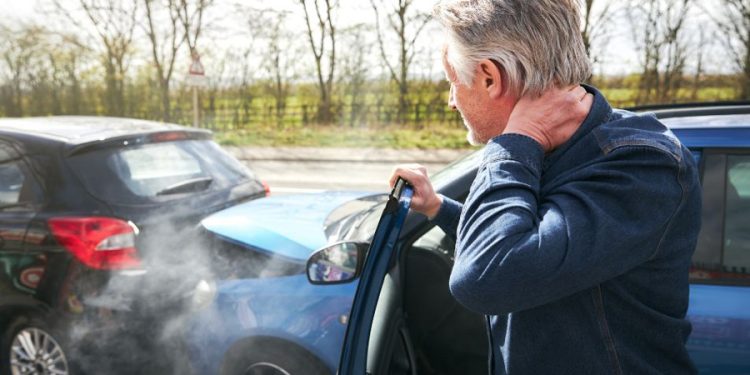
When a catastrophic motor vehicle collision occurs, the immediate aftermath is often a chaotic scene of emergency responders, damaged vehicles, and emotional distress. Once the sirens fade and the debris is cleared, a critical question remains: what exactly happened? In cases involving life-altering injuries or wrongful death, the answer to that question carries immense legal and financial weight. This is where accident reconstruction expert becomes the cornerstone of the investigative process. By blending physics, engineering, and digital technology, accident reconstructionists piece together the final seconds before impact to provide an objective account of the event that eyewitness testimony alone cannot offer.
Harvesting Data from the Black Box
In modern vehicles, much of the most important evidence is not found on the pavement, but inside the car’s onboard computers. Most late-model passenger vehicles and nearly all commercial trucks are equipped with Event Data Recorders, commonly known as black boxes. These devices capture a wealth of information in the seconds leading up to and during a crash. A reconstructionist can download data regarding vehicle speed, throttle position, brake application, steering angles, and even whether or not the occupants were wearing seatbelts at the time of the collision.
In fatality cases involving semi-trucks, this data is even more robust. Electronic Logging Devices can show how long a driver had been behind the wheel, helping to establish whether driver fatigue played a role in the accident. When this digital data is cross-referenced with the physical evidence found at the scene, it creates a nearly undeniable narrative of the event. It can reveal, for instance, that a driver who claimed to be going the speed limit was actually accelerating just before impact, or that a driver failed to apply their brakes until the very last millisecond.
Correcting the Failibility of Human Memory
One of the most significant challenges in serious injury litigation is the unreliability of eyewitness testimony. In the high-stress environment of a car crash, the human brain is not a perfect recording device. Adrenaline, shock, and the sheer speed of the event can cause witnesses to misremember speeds, distances, and even the color of traffic lights. Furthermore, in cases involving fatalities or severe traumatic brain injuries, the individuals most affected by the crash may be unable to testify at all.
Accident reconstruction serves as the ultimate “silent witness.” It provides a neutral, evidence-based counterpoint to subjective accounts. When a witness claims a vehicle swerved suddenly, but the reconstruction shows no lateral tire marks and a straight-line momentum path, the science helps the jury understand the truth. By grounding the case in physical reality, reconstructionists help prevent the legal outcome from being decided solely by who is the more charismatic or sympathetic witness.
Determining Liability and Contributing Factors
A serious accident is rarely the result of a single factor. Often, it is a combination of driver error, mechanical failure, and environmental conditions. A thorough reconstruction looks beyond the obvious to identify contributing factors that might otherwise be missed. For example, an expert might discover that while a driver was speeding, the accident was made fatal because of a defect in the road’s guardrail or a malfunction in the vehicle’s airbag deployment system.
In cases involving multi-vehicle pileups, reconstruction is essential for determining the “chain of command” of the collisions. It can identify which driver initiated the first impact and how subsequent hits contributed to the final injuries. This is critical for insurance companies and attorneys who must determine how to apportion fault among multiple parties. Without the clarity provided by reconstructionist, these cases can devolve into years of finger-pointing and legal gridlock.
Conclusion
The role of accident reconstruction in serious injury and fatality cases cannot be overstated. It is the bridge between the chaos of a tragedy and the clarity of the courtroom. By meticulously gathering physical evidence, extracting digital data, and applying the unwavering laws of physics, these experts provide the answers that families and legal systems need to move forward. In the pursuit of justice, accident reconstruction ensures that the truth is not lost in the wreckage, allowing for fair compensation for the injured and accountability for those responsible.